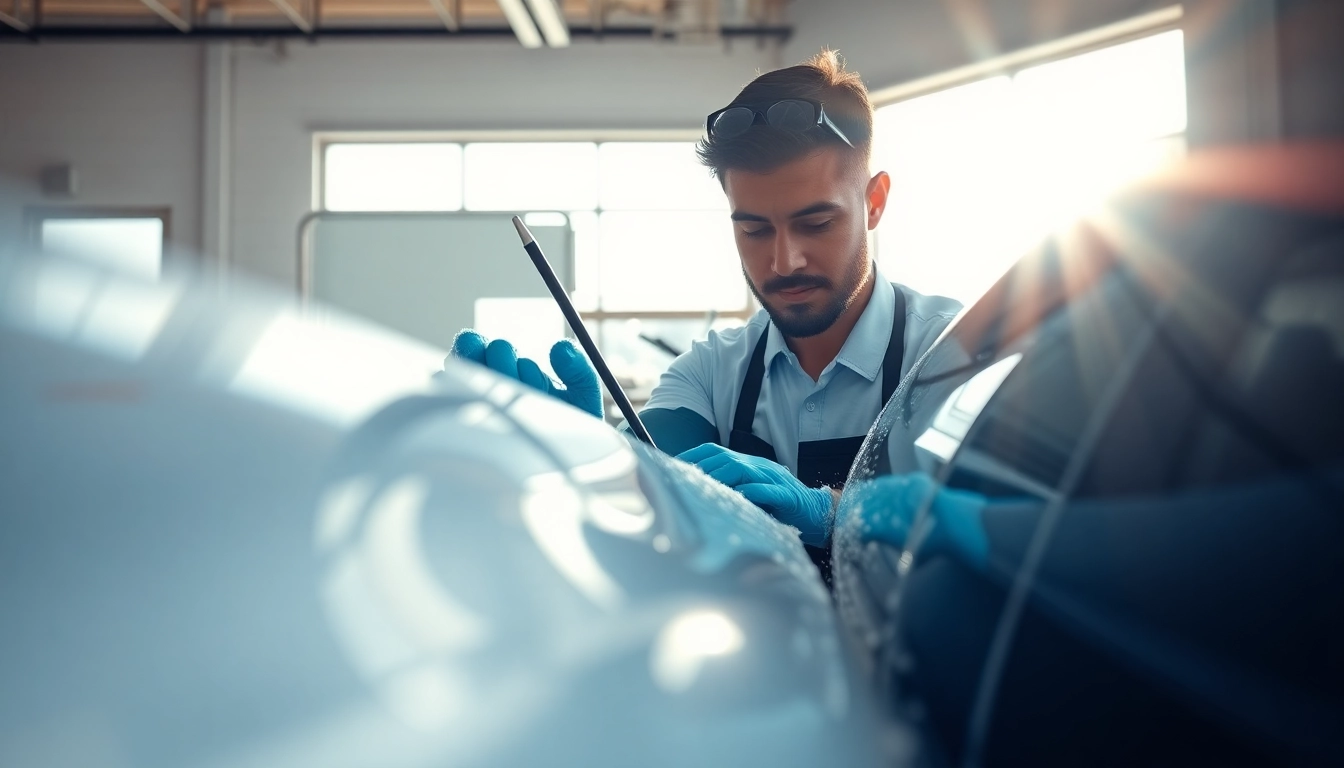
Understanding the Basics of Car Detailing
What is Car Detailing?
Car detailing is a meticulous cleaning process that goes beyond a standard car wash. It involves deep cleaning, restoration, and protection of both the exterior and interior of a vehicle. This thorough procedure not only enhances the visual appeal of your car but also helps preserve its value over time. By engaging in simple car detailing routine for beginners, you can effectively maintain your vehicle’s aesthetics and functionality.
Importance of Detailing for Beginners
For beginners, mastering the basics of car detailing is invaluable. A simple detailing routine helps foster a sense of pride in ownership and promotes responsible vehicle maintenance. Regular detailing can prevent major issues by addressing dirt, grime, and wear and tear before they become significant problems. Furthermore, understanding how to detail not only extends the lifespan of your car's appearance but also boosts your confidence in handling other automotive care tasks.
Essential Terminology in Car Detailing
Familiarizing yourself with car detailing terminology can help you communicate effectively and select the right products. Here are a few key terms:
- Clay Bar: A tool used to remove embedded contaminants.
- Wax: A protective coating that provides shine and shields against environmental elements.
- Polish: A product designed to fix minor scratches and restore clarity to paint.
- Sealant: A synthetic product that offers long-lasting protection compared to traditional wax.
- Degreaser: A strong cleaner that removes grease and oil from surfaces.
Components of the Simple Car Detailing Routine for Beginners
Step 1: Exterior Wash
The foundation of an effective detailing routine begins with a thorough exterior wash. Use a dedicated car wash soap, not dish detergent, as it can strip protective waxes. The two-bucket method is recommended: one bucket for soapy water and another for rinsing your mitt. Always start from the roof and work your way down to prevent dirt from being spread around.
Step 2: Cleaning Wheels and Tires
Wheels and tires accumulate a vast amount of grime and brake dust, making them one of the dirtiest parts of any vehicle. Use a wheel cleaner and a dedicated brush to scrub the wheels thoroughly. Don’t forget to clean the tires using a brush to restore their appearance. A tire dressing can be applied afterward to maintain shine.
Step 3: Drying Your Vehicle Properly
After washing, it's crucial to dry your vehicle effectively to minimize water spots. Use a microfiber drying towel for the best results; these towels absorb water quickly without scratching the surface. Start from the top and work your way down, gently blotting rather than dragging the towel across the surface.
Interior Car Detailing Essentials
Step 1: Vacuuming the Interior
Start by removing all items from your car. Vacuuming should be done thoroughly, paying special attention to every nook and cranny. Don’t forget to use different attachments for various surfaces, ensuring you cover seats, carpets, and under the mats.
Step 2: Cleaning Surfaces
Use an all-purpose cleaner for surfaces such as the dashboard, center console, and door panels. Microfiber cloths work well for this task, as they effectively capture dust without leaving scratches. Ensure you use products that are safe for the particular materials in your vehicle, whether plastic, leather, or vinyl.
Step 3: Protecting Upholstery and Dashboard
Once cleaned, it’s essential to protect your upholstery and dashboard. For upholstered surfaces, consider a fabric protectant that makes stains easier to clean. For dashboards, a UV protectant can prevent cracking and fading due to sun exposure.
Product Recommendations for Beginners
Best Detailing Supplies
Investing in quality products can significantly enhance your detailing experience. Essential supplies include a pH-neutral car shampoo, microfiber towels, a wheel cleaner, and interior cleaners. Choosing products that are specifically designed for automotive use can yield better results while ensuring the longevity of your vehicle's surfaces.
Tools and Accessories You Need
Having the right tools can make detailing more efficient. Here’s a starter list:
- Microfiber towels
- Detail brushes
- Vacuum cleaner with attachments
- Two buckets for the wash
- Pressure washer (optional)
Eco-Friendly Options
For eco-conscious beginners, various biodegradable and non-toxic cleaning products are available. These can effectively clean without causing harm to the environment. Additionally, using waterless or rinse-free car wash products can conserve water while still achieving a clean finish.
Common Mistakes to Avoid in Car Detailing
Overusing Products
A common mistake among beginners is overusing cleaning or protective products. More doesn’t always mean better. Following manufacturers' instructions ensures that you achieve the desired effect without unnecessary residue or damage.
Skipping Steps in the Routine
Each step in the detailing process has its importance. Skipping steps can lead to subpar results and potential damage to the vehicle. For instance, failing to dry properly can result in water spots or even streaks.
Ignoring Safety Precautions
Always prioritize safety when detailing. Use gloves when working with chemicals, and ensure that you’re in a well-ventilated area. Taking proper precautions protects not only your health but also ensures you handle products correctly and reduce the chances of accidents.
Frequently Asked Questions
How often should I detail my car?
It's generally recommended to detail your car every 4 to 6 months, but if you drive frequently, consider doing it quarterly to maintain its appearance and protection.
What products do I need to start detailing?
Beginners should start with a pH-neutral shampoo, microfiber towels, wheel cleaner, and an all-purpose interior cleaner. These essentials cover most detailing needs.
Can I use household cleaners for detailing?
While some household cleaners may work on specific surfaces, it’s best to use products manufactured specifically for automotive detailing to avoid damage.
Is interior detailing necessary?
Yes! Interior detailing enhances your driving experience by making it cleaner and more pleasant. It also protects materials from wear and tear, maintaining their quality longer.
What’s the difference between waxing and polishing?
Waxing adds a protective layer and enhances shine, while polishing removes imperfections and restores the paint’s clarity. Both serve different purposes in detailing.