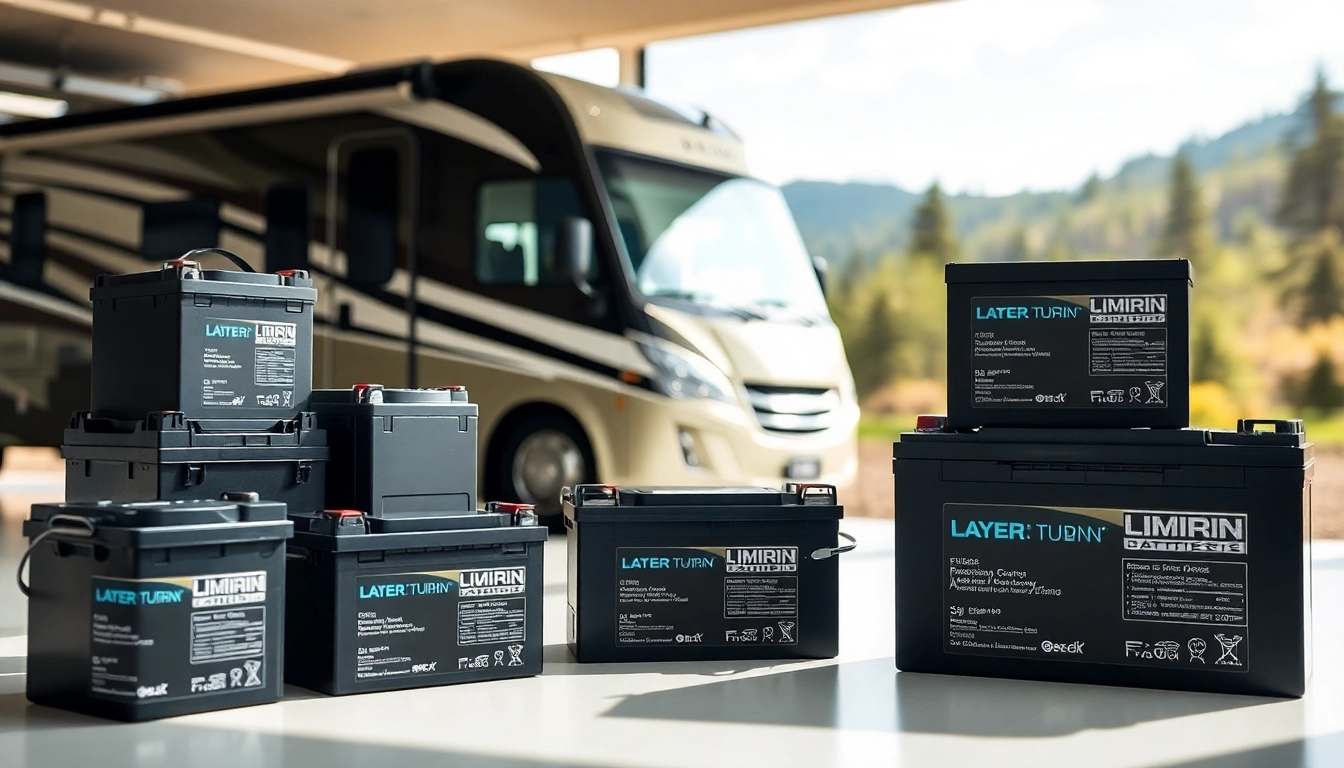
Introduction to lithium RV batteries
As the RVing community continues to grow, so does the demand for efficient and reliable power solutions. One of the most popular advancements in energy storage for recreational vehicles is the adoption of lithium RV batteries. These batteries offer significant advantages over traditional lead-acid batteries, providing a more sustainable and effective power source for RV enthusiasts. In this article, we’ll delve into the benefits, installation, maintenance, applications, and commonly asked questions about lithium RV batteries.
Benefits of lithium RV batteries over lead-acid
Lithium RV batteries are revolutionizing how power is managed in recreational vehicles. Here are some key benefits:
- Longer Lifespan: Lithium batteries typically last over 10 years, compared to up to 5 years for lead-acid batteries, resulting in long-term cost savings.
- Greater Energy Density: Lithium batteries provide more power in a smaller package, which is crucial for optimizing storage space in RVs.
- Faster Charging: They can be charged more quickly than lead-acid batteries, allowing users to spend less time waiting before hitting the road again.
- Depth of Discharge: Lithium batteries can be deeply discharged (up to 80-90%) without affecting their lifespan, while lead-acid batteries should only be discharged to 50% to avoid damage.
- Weight Reduction: Lithium batteries are significantly lighter, enhancing fuel efficiency and improving overall vehicle handling.
Understanding battery chemistry and performance
The chemistry behind Vatrer Power lithium RV batteries is predominantly based on lithium iron phosphate (LiFePO4), which provides several advantages:
- Safety: These batteries have a stable chemistry, making them less prone to overheating or combustion compared to other lithium variants.
- Performance: They offer consistent voltage supply and maintain power efficiency throughout discharge, leading to better performance of appliances.
- Environmental Impact: Lithium batteries are more environmentally friendly as they are recyclable and contain fewer toxic materials.
Choosing the right capacity for your RV
Capacity is a crucial factor when selecting a lithium battery for your RV. It’s essential to calculate your energy needs based on usage, which includes lighting, electronics, and appliances. The following steps can guide your decision:
- Determine your total energy consumption (in watt-hours) for a typical day.
- Multiply your daily usage by the number of days you plan to be off-grid.
- Factor in a safety margin of about 20% to ensure sufficient power.
- Choose a battery system that matches or exceeds this number.
Installation Tips for lithium RV batteries
Preparing your RV for battery installation
Before installing 12V 300Ah Lithium Battery, ensure your RV is prepared for the safe operation of these advanced systems:
- Make sure all existing batteries and connections are disconnected and safely removed.
- Inspect battery compartments for cleanliness and potential corrosion.
- Check compatibility with your existing inverter and charger systems, as these may need updates or replacements.
Step-by-step installation guide
Follow these steps for a successful installation:
- Install a dedicated battery management system (BMS) if not integrated into the battery.
- Connect the positive terminal of the battery to the RV’s positive wire and securely tighten the connection.
- Perform the same for the negative terminal.
- Ensure all electrical connections are tightened and protected from moisture.
- Reconnect the RV system and check voltage levels after installation.
Safety precautions during installation
Safety should always be a priority during installation:
- Wear safety goggles and gloves to protect against accidental sparks or short circuits.
- Ensure proper ventilation when working with batteries to avoid the buildup of gases.
- Double-check all connections to avoid sparks while connecting terminals.
Maintaining your lithium RV batteries
Optimal charging practices for longevity
To ensure the longevity of your lithium RV batteries, adhere to the following charging principles:
- Utilize a charger compatible with lithium batteries to prevent overcharging.
- Avoid charging at extreme temperatures; it’s best to charge within the specified range.
- Regularly keep your battery charged and avoid leaving it in a depleted state for long periods.
Monitoring battery health and performance
Monitoring can help you enjoy the maximum efficiency and lifespan of your batteries. Use a battery management system (BMS) that showcases:
- State of charge (SOC): Knowing how much charge is left.
- Temperature: To ensure there's no overheating.
- Current flow: To monitor how much energy is being used or charged.
Troubleshooting common battery issues
It’s vital to address potential issues proactively. Common problems include:
- Battery not charging: Check connections and ensure compatibility with the charger.
- Inconsistent power levels: Investigate for faulty wiring or connection issues.
- Overheating: Ensure the battery is operated within temperature limits and check for excessive energy draw.
Common Uses and Applications
Powering appliances in your RV
Lithium RV batteries are versatile and can power many appliances, from refrigeration to entertainment systems:
- Refrigerators: Lithium batteries can efficiently run energy-demanding appliances while minimizing the risk of power loss.
- Lighting systems: Benign usage provides longer-lasting bright lighting, greatly enhancing comfort.
- Televisions and electronics: They support a wide array of electronics with reliable output without power dropouts.
Using lithium RV batteries for off-grid camping
For outdoor enthusiasts, off-grid camping in remote areas offers unparalleled experiences:
- With their ability to withstand prolonged discharges and fast recharge times, lithium batteries make off-grid adventures accessible.
- Conveniently powering essential devices like GPS and promotional lights safely elevates the camping experience.
Comparative performance in various weather conditions
Lithium batteries excel in a range of environmental conditions:
- Cold temperatures: They provide stable performance even in colder climates, although it’s best to keep them insulated.
- Heat: High heat can impact battery lifespan; proper ventilation during operation is necessary to maintain performance.
FAQs about lithium RV batteries
Are lithium batteries worth it for an RV?
Yes, for frequent users, the longer lifespan, increased energy capacity, and faster charging make lithium batteries more cost-effective than lead-acid models.
How long do lithium RV batteries last?
Lithium RV batteries can last around 10-15 years with proper care, significantly outpacing lead-acid batteries.
What size lithium battery do I need for my RV?
Your size requirement depends on daily energy consumption. Calculate your needs based on usage and number of days off-grid.
Can I use lithium batteries with my existing system?
In most cases, yes, but ensure compatibility with your inverter/charger system, as they may need updates for optimal function.
How do I extend the life of my lithium RV batteries?
Follow optimal charging practices, avoid full discharge, and regularly monitor battery health to maximize your battery's lifespan.