Understanding CNC Machining for Stainless Steel Parts
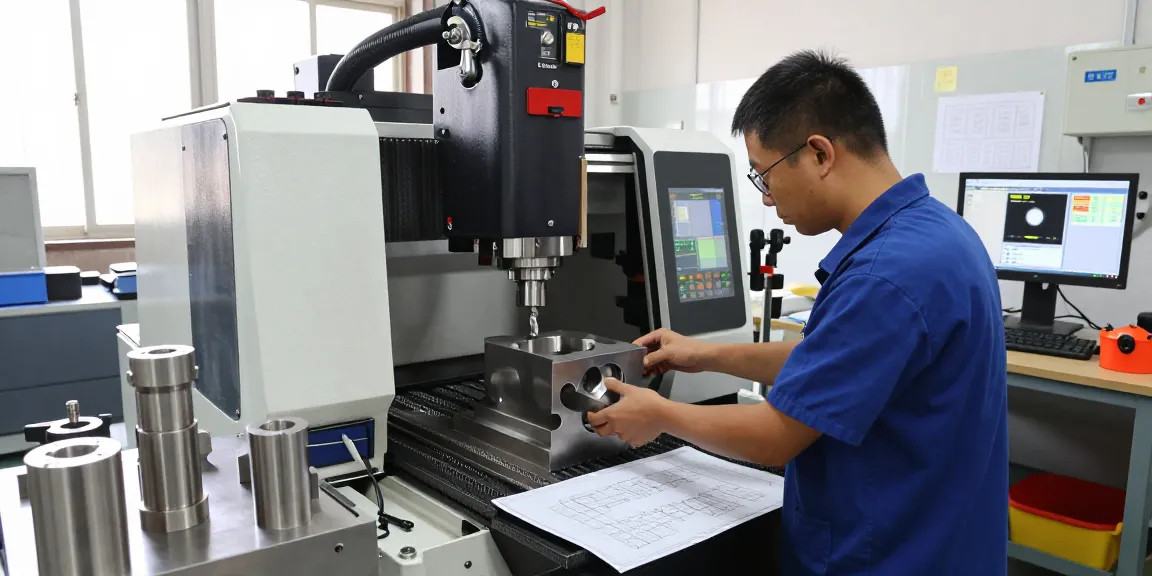
CNC machining is a revolutionary process that has transformed the manufacturing landscape, particularly for the production of cnc machined stainless steel parts. This precision-driven technology allows for the creation of intricate designs with minimal human intervention, significantly boosting efficiency and consistency. As industries evolve, the demand for high-quality stainless steel components continues to rise, driven by their versatility and strength.
What are CNC Machined Stainless Steel Parts?
CNC machined stainless steel parts are components produced through computer numerical control (CNC) machining techniques. This process involves the use of pre-programmed software to dictate the movement of machinery, which cuts and shapes stainless steel into precise dimensions and forms. These parts are used across a variety of applications, including automotive, aerospace, and medical fields, owing to their durability and resistance to corrosion.
The Benefits of Using Stainless Steel in CNC Machining
Choosing stainless steel as the material for CNC machining offers several advantages:
- Corrosion Resistance: Stainless steel is inherently resistant to rust and corrosion, making it ideal for components exposed to harsh environments.
- Strength and Durability: This material boasts high tensile strength, ensuring components withstand significant stress and load.
- Versatility: Stainless steel can be fabricated into a myriad of shapes and sizes, accommodating varying design specifications.
- Sustainability: Stainless steel is recyclable, making it a more environmentally friendly option for manufacturing.
Key Industries Utilizing CNC Machined Stainless Steel Parts
Many sectors rely on CNC machined stainless steel parts for their operations:
- Aerospace: Used in aircraft components for their strength-to-weight ratio.
- Medical: Critical in the production of surgical instruments and implantable devices.
- Automotive: Essential for parts requiring high durability, such as exhaust systems and engine components.
- Food Industry: Employed in machinery that requires sanitary conditions due to its ease of cleaning.
Materials and Techniques in CNC Machining
Choosing the Right Stainless Steel Grade for Your Parts
Selecting the appropriate grade of stainless steel is crucial for the performance of CNC machined parts. Common grades include:
- 304 Stainless Steel: Most popular due to its flexibility and good corrosion resistance.
- 316 Stainless Steel: Offers superior resistance to corrosion, particularly in marine environments.
- 410 Stainless Steel: Known for its hardness and is often used when wear resistance is crucial.
Advanced CNC Machining Techniques for Precision
Modern CNC machining is enhanced by several advanced techniques, including:
- 5-Axis Machining: Allows for complex geometries to be machined in a single setup, increasing efficiency.
- Laser Cutting: Provides high precision and reduced material wastage.
- EDM (Electrical Discharge Machining): Ideal for hard-to-machine materials where traditional methods may struggle.
Best Practices in Material Preparation
Proper material preparation is essential for achieving high-quality CNC machined parts. Key practices include:
- Ensuring Cleanliness: Remove any contaminants that may affect the machining process.
- Proper Handling: Use appropriate tools and techniques to prevent warping or damage.
- Correct Material Storage: Store stainless steel in a dry environment to prevent rust formation.
Design Considerations for CNC Machined Parts
Essential CAD Tools for Designing Steel Parts
Utilizing advanced CAD (Computer-Aided Design) tools can significantly enhance the design of machinable parts. Popular software options include:
- AutoCAD: Well-known for its versatility and comprehensive features.
- SolidWorks: Ideal for 3D modeling and simulation of mechanical components.
- Fusion 360: A cloud-based platform offering CAD, CAM, and CAE capabilities in one package.
Common Challenges in Design and How to Overcome Them
Designing CNC machined parts comes with its challenges, such as:
- Tight Tolerances: Ensure tolerances are realistic based on the machining capabilities.
- Complex Geometries: Simplifying designs can assist in manufacturability without losing functionality.
- Material Selection: Choosing materials that are not only suitable but also cost-effective.
Tips for Ensuring Machinability
To ensure optimal machinability, consider these tips:
- Design with Manufacturing in Mind: Aim for designs that are easy to machine.
- Utilize Standard Sizes: Standard dimensions can lower costs and simplify production.
- Incorporate Fillets and Radii: Reducing sharp corners can enhance tool longevity.
Quality Assurance in CNC Machining
Standard Testing Methods for Stainless Steel Parts
Quality assurance is critical in the CNC machining process. Standard testing methods include:
- Visual Inspection: Quick and effective for surface defects.
- Dimensional Inspection: Use of calipers and micrometers to verify dimensions.
- Non-Destructive Testing (NDT): Techniques such as ultrasonic testing to identify internal flaws.
The Importance of Tolerances in CNC Machining
Tolerances dictate the allowable variation in part dimensions, directly impacting functionality and fit. Maintaining tight tolerances is essential in applications that require precision, such as aerospace and medical devices.
Using Technology for Quality Control
Emerging technologies, such as AI and machine learning, are enhancing quality control in CNC machining. Automated inspection processes can identify defects in real-time, reducing waste and improving efficiency.
Future Trends in CNC Machining of Stainless Steel Parts
Innovations Shaping CNC Machining in 2026
As we move toward 2026, several innovations are expected to shape the future of CNC machining:
- Integration with IoT: Smart sensors and data analytics will provide deeper insights into the machining process.
- Increased Automation: More automation will lead to faster production times and reduced labor costs.
- Enhanced Customization: Technologies will allow for greater customization of parts without significant cost increases.
Sustainability Practices in Material Usage
Sustainability will play a critical role in machining practices. Efforts to minimize waste, recycle materials, and utilize renewable energy sources are expected to grow, aligning manufacturing with global sustainability goals.
Future Applications of CNC Machined Stainless Steel Parts
As technology advances, the potential applications for CNC machined stainless steel parts will expand, with possibilities in areas such as:
- Biotechnology: Custom implants tailored to individual patient needs.
- Renewable Energy: Components for wind turbines and solar panels.
- Smart Devices: Applications in IoT devices requiring precise, durable components.
What Makes CNC Machining a Competitive Advantage?
CNC machining offers several competitive advantages, including:
- Precision and Accuracy: Ensures parts meet exact specifications, vital for safety-critical components.
- Reduced Lead Times: Automated processes accelerate production timelines.
- Flexibility in Production: Easily adapt designs for small-batch or large-scale manufacturing.