Understanding Equipment Transport Fundamentals
Transporting heavy machinery and equipment is a vital part of many industries, including construction, agriculture, and manufacturing. Understanding the fundamentals of equipment transport is essential for ensuring that operations run smoothly and safely. This comprehensive guide will delve into the key aspects of equipment transport, exploring various types, the importance of safety, and best practices.
What is Equipment Transport?
Equipment transport refers to the movement of large and cumbersome machinery or equipment from one location to another. This process often utilizes specialized vehicles and trailers to accommodate the weight and size of the equipment being moved. Equipment transport can involve local, regional, or even international logistics, depending on the needs of the business.
Key Types of Equipment Transport
There are several categories of equipment transport, including but not limited to:
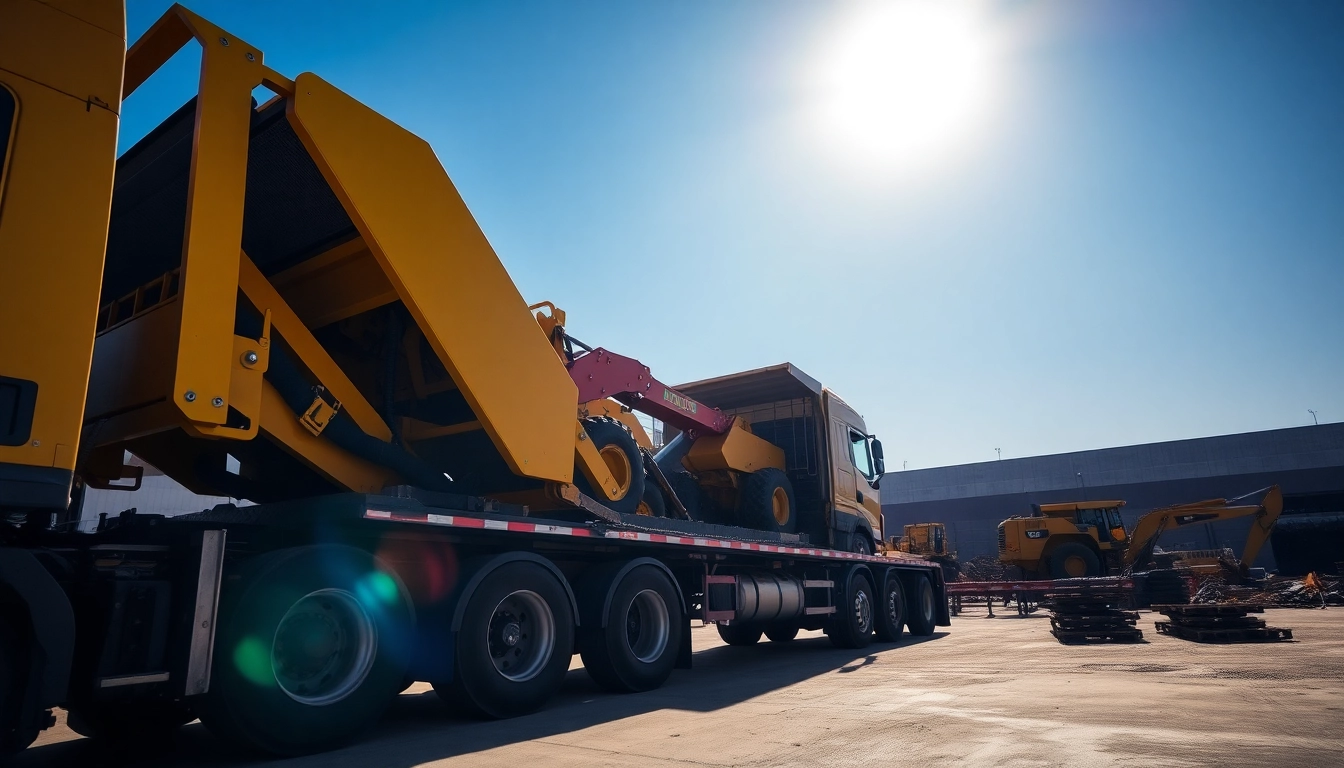
- Flatbed Transport: This is one of the most common methods for transporting heavy equipment. It involves placing the equipment directly on a flatbed trailer.
- Lowboy Trailers: Lowboys are specialized trailers that can carry taller loads. They have a lower deck height, making it easier to load and transport tall machinery.
- RGN Trailers: Removable Goose Neck (RGN) trailers allow for transporting heavy and oversized loads. The gooseneck can be disconnected, which lowers the deck height for easier loading.
- Container Shipping: For international transport, containers provide a secure means of shipping equipment over long distances.
Importance of Safety in Equipment Transport
Safety is paramount in equipment transport due to the potential hazards associated with moving heavy machinery. Adhering to safety regulations protects both the workers and the equipment during transit. This includes proper securing of loads and using appropriate machinery and trailers to handle specific types of equipment.
Best Practices for Successful Equipment Transport
Choosing the Right Transport Method
Selecting the ideal transport method involves several considerations, such as:
- Type of Equipment: Different machinery requires specific transport methods. Assess the dimensions, weight, and fragility.
- Distance: Long-distance transport may require more robust methods and equipment.
- Budget: Evaluate the cost-effectiveness of various transport methods to find a suitable option.
Essential Equipment for Safe Transport
Utilizing the right equipment for transportation enhances safety. Essential tools and equipment include:
- Straps and Chains: High-quality securing tools are critical for keeping equipment stable during transit.
- Loading Ramps: These facilitate the safe loading and unloading of heavy machinery.
- Heavy-Duty Trailers: Choosing trailers that can handle the weight and size of the equipment is crucial.
Preparing Equipment for Transport
Before starting the transport process, it’s essential to prepare the equipment, which includes:
- Cleaning: Dirt and debris can affect the condition of the equipment during transport, so cleaning is recommended.
- Inspection: Conduct a thorough inspection to ensure all parts are functioning correctly and secure.
- Documentation: Keeping thorough records of transport conditions and processes is vital for accountability.
Common Challenges in Equipment Transport
Dealing with Weight Limits and Regulations
Each state and region has specific weight limits for vehicles transporting heavy equipment. These limits are put in place to ensure road safety and infrastructural integrity. Understanding and adhering to local regulations is essential to avoid fines and logistical issues.
Weather Conditions Affecting Transport
Extremely adverse weather conditions can significantly impact the safety and efficiency of equipment transport. Rain, snow, and extreme temperatures can lead to delays, unsafe driving conditions, or damage to the equipment. Planning routes and timelines should take potential weather impacts into account.
Managing Delays and Unexpected Issues
Unforeseen circumstances, such as mechanical issues or road closures, can hinder transport efforts. Having contingency plans and flexible schedules can help mitigate these delays. Adequate communication with all parties involved can further ensure smooth operations despite challenges.
Cost Considerations for Equipment Transport
Typical Pricing Models for Equipment Transport
Pricing for equipment transport typically varies based on several factors:
- Distance: Longer distances generally incur higher costs.
- Weight and Size: Heavier and larger loads require more specialized and expensive transport vehicles.
- Conditioning and Preparation: Additional services such as loading, securing, and unloading add to overall costs.
Factors Influencing Transport Costs
Several elements play a role in determining transport costs beyond just distance and weight. These include:
- Fuel Prices: Fluctuations in fuel costs directly affect the transport budget.
- Driver Costs: Labor rates for professional drivers also contribute to overall transportation expenses.
- Equipment Availability: High demand for transport services can lead to increased pricing.
Budgeting for Equipment Transport
Accurate budgeting is critical for companies relying on equipment transport services. A well-prepared budget should encompass all aspects from fuel to insurance, ensuring adequate funding is available to cover unforeseen costs.
Innovations in the Equipment Transport Industry
Emerging Technologies in Equipment Transport
Technological advancements are continually shaping the equipment transport industry. Innovations include:
- GPS Tracking: Enhances route optimization and real-time tracking of shipments.
- Telematics: Provides data on vehicle performance, leading to improved efficiency and safety.
- Automation: Automated loading and unloading systems reduce manpower and increase safety.
Eco-Friendly Transport Solutions
As environmental concerns grow, the demand for eco-friendly transport solutions is increasing. This includes using alternative fueling options, optimizing routes for fuel efficiency, and implementing electrified transport vehicles to minimize carbon footprints.
Future Trends in Equipment Transport
The future of equipment transport is poised for more advancements, including:
- Increased Use of Drones: For smaller equipment and parts delivery, drones may offer an efficient solution.
- Blockchain for Logistics: Enhances transparency and security in transactions and freight tracking.
- Smart Contracts: Automate payments and agreements between transport providers and clients, simplifying processes.
FAQs
1. How much does it cost to transport equipment?
The cost varies based on distance, weight, and the type of equipment transported. Generally, it can range from $2 to $5 per mile, depending on several factors.
2. What are the examples of transport equipment?
Common examples include cranes, conveyors, industrial trucks, and trailers equipped specifically for transporting heavy machinery.
3. What types of trailers are best for equipment transport?
Lowboy and RGN trailers are typically best for heavy and oversized equipment due to their lower deck heights and higher weight capacities.
4. How can I ensure my equipment is secure during transport?
Utilize high-quality straps, chains, and secure loading techniques. Conduct thorough inspections before and after transport.
5. What are potential delays in equipment transport?
Common delays can include mechanical issues, weather conditions, and regulatory checkpoints. Planning and communication can help manage these risks.
Contact Information
Call Us: 4062607988Address: 3906 MT-40, Columbia Falls, MT 59912